Reviews

Comparison: National Trust vs English Heritage for Day Out Value
Two names sit behind a large share of good British days out: the National Trust and English Heritage. Between them they look after country houses, castles, abbeys, gardens, coastline and a fair chunk of the countryside you walk across on a Sunday.
They are not the same thing, though, and they are not really competitors in the way the marketing suggests. One is a conservation charity with an enormous spread of land and buildings. The other is a charity caring for a national collection of historic sites, heavily weighted towards castles, ruins and ancient monuments.
Which gives better value depends on where you live, how you travel and who is in the car. Here is how the two compare when you are actually planning a Saturday.
The short answer
Choose the National Trust if your ideal day involves a garden, a parkland walk, a stretch of coast or a car park at the start of a footpath — and if you have children who need room to run. Choose English Heritage if you are drawn to castles, abbeys, battlefields and stone circles, if lower annual outlay matters, or if you live within easy reach of a cluster of its sites. Plenty of households end up with both, renewing them in different months so the cost does not land all at once.
What a membership actually covers
Both sell annual membership giving free entry to their own sites for a year, usually for the named adults plus children on a family tier. Both include a handbook, a magazine, discounted events and members' updates. Both offer individual, joint and family options, and both sell gift membership.
The gap in headline price is real, but smaller than it looks once you start using either one properly. English Heritage tends to be the cheaper of the two at every tier, which is part of its appeal if you are testing whether an annual pass suits your habits at all. The National Trust charges more, and in exchange hands you a far larger estate to wander round — including a great deal that costs nothing to enter but still benefits from member funds.
Do the break-even sum first
Ignore the marketing and work out how many visits you would realistically make. Pick five places from each organisation's website that sit within about an hour of home, note the adult ticket price for each, then multiply by the number of times you would genuinely go back. If the total comfortably clears the membership price, join. If it does not, pay as you go for a year and revisit the idea.
A worked example helps. Say two adults would visit a nearby castle twice a year at roughly £15 each, plus one bigger day out at £22. That is about £104 of entry over twelve months. If the joint membership costs less than that, it is a straightforward win — before you count the free parking, the discount in the tea room and the freedom to pop in for an hour without feeling obliged to stay all day.
Check the tiers closely
Family memberships differ in small but expensive ways. Some cover one adult and children, others two adults, others two adults plus grandchildren. If you and your partner often visit separately, check whether you each need a card. If grandparents do the school-holiday trips, a tier that includes grandchildren can pay for itself surprisingly quickly.
Also check the age cut-off for children. One scheme may treat a 16-year-old as an adult while the other still counts them as a child, which can swing the decision for a family with teenagers. And if you are buying mid-year, ask about the renewal date: joining in spring means the membership runs out the following spring, not that you get a full twelve months from whenever you sign up.
Property types: where each one wins
National Trust
This is the broader portfolio. Expect furnished country houses, formal gardens, parkland, woodland, nature reserves, coastal paths, beaches and the occasional mill or village pub. It is the one to pick if your day out usually means walking, picnicking and letting children disappear into a hedge maze. It also covers Northern Ireland, and its properties are often the reason a particular stretch of coast is accessible at all.
The land side is the quiet advantage. Even non-members can usually walk the parkland and the coastal paths for nothing, which means a National Trust membership is really paying for the houses, the gardens and the car parks at the busy sites. If you mostly want hills and cliff paths, you may already be getting the best of it without a card.
English Heritage
This is where the castles are. Think Dover Castle, Tintagel, Stonehenge, the Roman forts strung along Hadrian's Wall, Battle Abbey, Kenilworth and a long tail of ruined abbeys, hillforts and standing stones. The portfolio is smaller but more concentrated, and many of its sites sit in clusters — the north-east coast, the Welsh borders, the south-west — so a single trip can take in two or three in a day.
It suits the household that likes a story, an audio guide and a set of battlements to climb. It also tends to suit older children and adults more than toddlers, because the appeal is usually the history rather than the space to run about.
The extras that quietly decide the day
Entry price is only part of the day out. These are the things that shape whether you go back.
- Parking. National Trust members usually park free at its own sites, which on a coastal or country day can be worth several pounds an hour. At English Heritage sites parking is often included in the entry anyway, so the advantage is less pronounced.
- Cafes and tea rooms. Both run them, both give members a discount, and the quality is genuinely variable. A good tea room can rescue a rainy afternoon; a poor one can make a short visit feel very long.
- Family facilities. The National Trust generally wins on play areas, buggy-friendly paths and room to let children off the lead. English Heritage sites can be steeper, stonier and far less forgiving of a pushchair.
- Events. Both run seasonal events, school-holiday trails and member-only openings, and both discount them for members. Check the calendar before you commit — a site that feels thin in February can be packed with things to do in August.
Free sites and reciprocal deals
Not everything costs money, and knowing where the freebies are changes the maths.
Many English Heritage sites are free to enter, and members simply walk in. A number of National Trust coastal and countryside places charge only for parking, which non-members can pay on the day. There are also reciprocal arrangements between heritage organisations across the UK and abroad, so a card bought for one scheme can sometimes open doors on another. Worth checking before you buy twice.
Join the one that matches where you already go, not the one with the nicer brochure.
Which one should you join?
Work through these in order.
- List the ten closest sites from both organisations and mark how many you would actually visit.
- Add up the gate prices for a realistic year of visits to each one.
- Compare those totals with the membership price at the tier that fits your household.
- If only one clears the bar, buy that one. If both do, start with the cheaper and add the other next year.
- If neither clears it, pay as you go and enjoy the free parkland in the meantime.
For most families with young children and a taste for the outdoors, the National Trust is the more useful card. For castle-hunters, history buffs and anyone watching the budget, English Heritage usually wins. And for the many households floating somewhere between the two, the honest answer is that both are good value — provided you actually go.
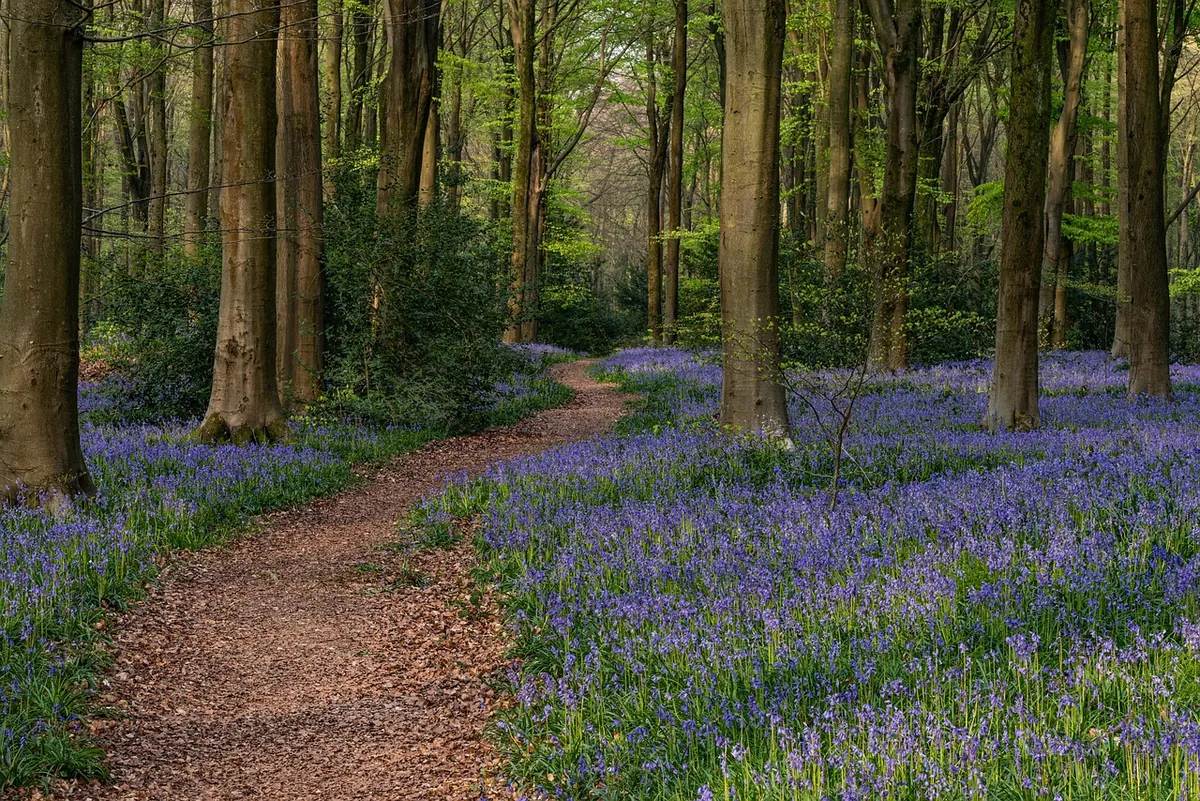
Photo: MabelAmber / Pixabay
Related Articles