Outdoor Spots
Beginner's Guide to Wild Swimming Spots in the Lake District: Safety and Etiquette
The Lake District hands you swimmable water in every direction: a dozen major lakes, hundreds of small tarns, cold becks tumbling off the fells. It also hands you weather that turns in an hour, and shorelines that drop away without warning. Most first-timer trouble comes down to two things — choosing the wrong entry point and staying in too long — plus a third that matters just as much: forgetting that people live and work here all year round.
Read the shoreline before you get in
Walk the edge first. A good entry has a gentle gravel or sandy shelf underfoot, clear water, and an obvious place to climb out. Stand at the waterline and look down: dark, unbroken patches usually mean depth, dense weed or a sudden drop. If you cannot see the bottom for the first few metres, treat it as deeper than you think.
- A shallow shelf with a gentle gradient, so you can wade rather than plunge.
- No stream, outflow, weir or pipe nearby — currents around these are far stronger than they look.
- Shelter from the wind that is blowing now, not the one that was forecast at breakfast.
- A clean exit: flat rock or gravel, not slimy boulders or a bank of loose roots.
- Clear of jetties, launch slips, moored boats, anglers and ferry routes.
Wast Water is the obvious cautionary example — its screes tumble almost straight into deep water, so there is no friendly shelf at all. Buttermere and Derwentwater offer gentler options in places, though even there the bed changes from one hundred metres to the next. Rivers and gills deserve extra respect: a beck that was ankle-deep this morning is a different animal after a night of rain on the fells, and spate water is not a swimming environment.
Understanding cold water
British lake water is cold by any standard, and it stays cold. Even after a long warm spell, the surface of the larger lakes rarely feels anything other than bracing, and a metre down it is colder still. The first shock is the part that catches people out: the sharp intake of breath, the racing heart, the urge to swim hard immediately. That passes in under a minute if you let it.
So walk in slowly rather than diving. Breathe out through the mouth, keep your hands moving, and pause at waist depth until the gasping settles. Then swim parallel to the shore, staying within your depth. Know your limits and get out while you still feel comfortable, not when your hands stop working properly. Uncontrollable shivering, fumbling fingers or slurred speech mean the dip is over — no debate.
Expect to feel colder again after you get out, sometimes several minutes later. Dry off fast, pull on layers including a hat, and walk to warm up from the inside. A hot drink helps; alcohol does not, and a scalding bath or shower straight away can feel far worse than it sounds. If you have a heart condition, epilepsy, asthma, high blood pressure, are pregnant, or are simply new to cold water, speak to your GP before you start.
Know where you are welcome
Not every metre of shoreline is open to the public. Some is private land, some is owned by the National Trust or United Utilities with its own rules, and reservoirs often carry restrictions linked to dams, draw-off towers and rapidly changing levels. Signs are not decoration; a "no swimming" notice usually points at a genuine hazard rather than a grumpy landowner.
If you are unsure, ask. A village shop, a national park information point or a quick look at access information before you set out will settle it in minutes. Wild swimming is a pleasure, not an entitlement, and asking first keeps goodwill on your side.
Etiquette with locals and other water users
Parking is the issue that sours more lakeside visits than anything else. Narrow lanes, passing places and farm gateways are working infrastructure, not overflow car parks. Arrive early, use a proper car park and walk the last stretch; it costs you ten minutes and saves an argument.
Sound carries across water, so keep voices low and leave the speaker at home. Change discreetly with a towel or robe rather than stripping in front of someone's garden. Give anglers a wide berth — lines are invisible from the water and they have often paid for the day. Kayakers and paddleboarders are faster and less manoeuvrable than you, so make yourself visible with a bright hat and swim in pairs close to the bank.
Leave no trace
The shoreline is fragile and busy. Everything you carry in goes home with you, including the things people convince themselves are harmless.
- Take sandwich crusts, orange peel, tea bags and anything labelled biodegradable back to the car.
- Use a toilet before you set off. Burying waste beside a popular lake is not acceptable.
- No fires, no disposable barbecues, no rearranging stones to build dams or cairns.
- No soap, shampoo or suncream-heavy swimming in small tarns, which are easily damaged.
- Check for blue-green algae notices in late summer. If the water looks like pea soup or spilled paint, stay out and keep dogs out too.
- Do not drag weed onto the bank or churn up sediment in shallow water.
Your first dip, step by step
- Pick a calm morning rather than a windy afternoon.
- Park properly, walk in, inspect the entry point.
- Swim with someone, and agree a time limit plus a signal for "I am getting out".
- Set dry layers, a towel, a hat and a warm drink within reach before you undress.
- Walk in slowly, breathe out, and wait at waist depth for the gasp to pass.
- Swim parallel to the shore, close enough to stand up whenever you want.
- Keep the first dip to a few minutes. Get out feeling fine, not shivering.
- Dry, dress, walk, drink something warm. Note how long you lasted and build from there.
Do that a handful of times and you will know your own cold threshold, your favourite entry points and the conditions that make you turn around. The Lakes reward a slow, quiet approach: choose the entry, respect the cold, leave nothing behind, and the swimming keeps giving you reasons to come back.
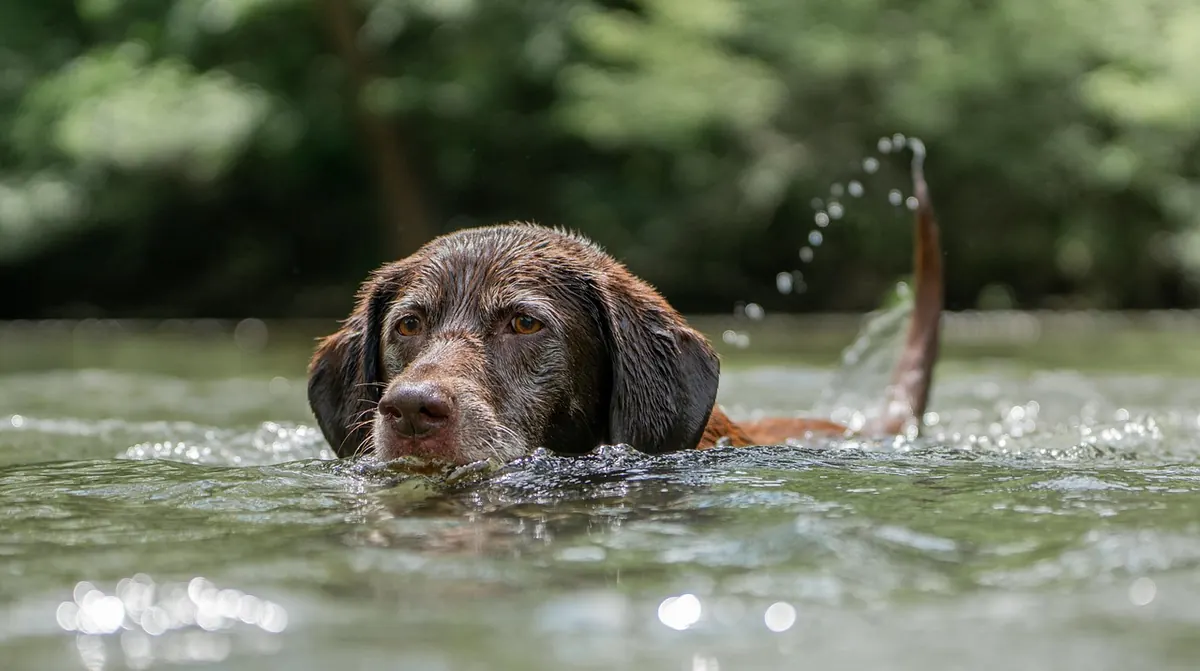
Photo: jatocreate / Pixabay
Related Articles